– There are only a few programs that call themselves learning sciences. Most consider themselves a blend. Kamau Bobb‘s leadership at Google fosters collaboration and growth.
– I can’t actually find a difference between the learning sciences and instructional design. I see authors try to distinguish them from one another but its mostly just a lot of word smithing.
– I can’t actually find any jobs in the learning sciences, at all, except for the few learning science programs looking for learning science faculty.
– The jobs learning science programs say their students are getting are instructional design jobs, which was quite unusual. You don’t create a program unless there is a specific demand for a job in that field that is not being met.
]]> ]]>
]]>When it comes to health and longevity, the world has a lot to learn from the small Greek island of Ikaria. Famous for its high number of centenarians and remarkably low rates of chronic diseases, Ikaria’s secrets to a long and healthy life have garnered global attention. At the heart of this island’s unique lifestyle is a simple yet powerful elixir known as the Ikaria Lean Belly Juice. Let’s delve into this intriguing concoction and discover its potential benefits.
The Ikaria Lean Belly Juice: Nature’s Gift
The Ikaria Juice Reviews is more than just a trendy health fad; it’s a time-tested tradition deeply rooted in the island’s culture. Passed down through generations, this elixir is a blend of fresh, locally sourced ingredients that Ikarians believe contribute to their exceptional health and longevity.
Key Ingredients:
Herbs: The juice often features a mix of Mediterranean herbs like rosemary, oregano, and thyme, known for their antioxidant-rich, anti-inflammatory properties.
Honey: Locally sourced honey adds a touch of sweetness to the juice while providing natural enzymes that aid digestion and support the immune system.
Citrus Fruits: Lemons and oranges, packed with vitamin C, antioxidants, and fiber, are believed to boost metabolism and promote healthy digestion.
Leafy Greens: Fresh greens like kale and spinach add essential vitamins and minerals, contributing to overall vitality.
Olive Oil: Extra virgin olive oil, a cornerstone of the Mediterranean diet, is rich in heart-healthy monounsaturated fats, associated with reduced heart disease risk.
The Health Benefits of Ikaria Lean Belly Juice
The Ikaria Lean Belly Juice boasts a multitude of potential health benefits:
Gut Health: Enzymes from honey and fiber from citrus fruits promote digestion and regular bowel movements, supporting a healthy gut.
Immune Boost: The vitamin C in citrus fruits and antioxidants from herbs fortify the immune system, helping the body fend off illnesses.
Heart Health: Monounsaturated fats in olive oil may lower the risk of heart disease, a key factor in Ikaria’s low heart disease rates.
Anti-Inflammatory Effects: The herbs in the juice possess natural anti-inflammatory properties, which could help reduce the risk of chronic diseases.
Weight Management: When combined with a balanced diet and exercise, the Ikaria Lean Belly Juice may contribute to maintaining a healthy weight.
Incorporating Ikaria Lean Belly Juice into Your Life
While the Ikaria Lean Belly Juice offers promising health benefits, it’s essential to view it as a part of the broader Ikarian lifestyle. To truly reap its rewards, consider adopting other facets of the Ikarian way of life, such as:
Mediterranean Diet: Embrace a diet rich in fresh vegetables, fruits, whole grains, lean proteins, and, of course, olive oil.
Physical Activity: Engage in regular, low-intensity physical activities like walking, gardening, and swimming.
Social Connections: Prioritize meaningful relationships and community involvement, reducing stress and enhancing overall well-being.
Stress Management: Incorporate relaxation techniques like meditation, deep breathing, and leisurely time with loved ones into your routine.
The Ikaria Lean Belly Juice: A Tasty Tradition with Potential Health Perks
In conclusion, the Ikaria Lean Belly Juice is more than a delicious elixir—it’s a symbol of a balanced and holistic approach to well-being. While it might not be a magical potion for eternal life, it’s a flavorful way to nurture your health. By sipping on this delightful elixir and adopting some Ikarian lifestyle principles, you can embark on a journey towards a healthier and more fulfilling life. Embrace the wisdom of Ikaria, and you might discover the secret to a leaner, healthier, and happier you.
Can you learn to be an instructional designer without getting a degree? Yes. In fact, you can learn about any subject through libraries, internet, etc. You have been able to do this as long as books have been available to the public. However, would you want a doctor to work on you that didn’t have an MD? and just learned through some internet resources? Sorry but you would not. Instructional design is no different. There is a lot that goes into the design process and being a good designer is not easy. I would never hire someone that was not trained in a very solid ISD program that taught them how to be an instructional designer and provided them experiences to apply it.
So where does the notion that you do not need an ISD degree come from? Most often, bad designers. I am sorry to say that but usually when someone says this they either do not have the degree or came from a bad program. Choosing a good instructional design program taught by qualified instructors is a whole other issue. But usually when I find these people that do not believe in the ISD degree and that you can learn ‘on the job’ I can ask them anywhere from 3-5 questions about design, that are vital to design, and they do not know any of the answers – why? Because they themselves are usually not good designers because they do not know how to really do instructional design. Because if they did, they would realize that you really need someone trained to do it well.
Just as an example. I run into this problem all the time with managers. Managers that were hired because they were good workers. Yet they were not trained in management. So they end up failing, messing up, etc and at the very least making simple management 101 mistakes that they didn’t realize they were doing because they had no training.
Some related blog posts:
How to become an instructional desginer
10 reasons to get a degree in ISD
]]>Visiting the site for Fast Lean Pro reviews isn’t just about exploring others’ stories; it’s about finding inspiration for your own journey. See the possibilities, set your goals, and embark on your transformation.
First, the average instructional design salary is around $78,000 a year in the US. So if we were to calculate an hourly rate based on that it would be $36 and hour (which is 78k a year) but we would add 30% for benefits and retirement, which means that the average instructional design hourly rate should be around $47 an hour. However, given that contract work is not guaranteed and sometimes part time, this rate should be around $50-$60 an hour.
Now there are some other statistics. eLearning.net reports that instructional designers typically charge anywhere from $20-$90 an hour. And this will vary based on task, quality, and speed. They report that most of the foreign companies charging $20-$30 an hour purposely take longer on tasks and do not provide the quality that someone charging $50 and hour would do. Additionally given the role instructional designers play, outsourcing to a foreign country has not worked well for many that have tried it due to the language and time barriers – its very tough for a subject matter expert at your company to have meetings with someone who has a 12 hr time difference and doesn’t know how to put american culture into the training.
Finally, and most importantly elearn Magazine has created this image which shows some numbers by task. Keep in mind this is from 2007 but it does show how different tasks and clients should demand different rates.
So here is a list I have comprised based on stats and my own experience. These should vary based on the task at hand, the quality expected, experience of the contractor, location, and client:
1. Business strategy, proposals, needs analysis, needs assessment – $100-$250 an hour
2. Simple Design (articulate, captivate, PPT) – $60-$100 an hour
3. Advanced Design (simulations and games) – $75-$150 an hour
4. Development with Articulate, Captivate, or other authoring tools -$35-$70 an hour
5. Development that includes programming, Flash, HTML5 – $60-$125 an hour
6. Implementation – $50 an hour
7. Evaluation – $75-$250 an hour
]]>
AGILE was first created for software development to replace what is known as the waterfall method but has since been applied to many other industries.
So what is AGILE?
AGILE is a strategy that promotes iterative and incremental design and development in order to get out parts of a project to the client instead of the whole at one time (to save time). This is actually very similar to the rapid development strategies – they are for the most part exactly the same.
When can I use AGILE
You should use AGILE when you meet some of the same requirements that you have to meet to do rapid instructional design. It is not something that should be used on every project. Certain conditions should be met first.
1. Analysis is completed – without a proper analysis the project will fail. 70% of projects fail and poor analysis and management are usually the cause. This doesn’t mean analysis needed to be completed for this part of the project. You might know these clients and have done other projects with them so you can take some/all of that original analysis and use it.
2. Constant access to SMEs, Developers, and Graphic Artists (and person who signs off – i.e., client)
3. Project can be rolled out in sections – for instance 1 module can be rolled out by itself without the other 10 modules
4. Already have learning objects from other projects (optional and very helpful – cuts time) – this is not required though but will save a significant amount of time
How do I use AGILE
Here is a concept map from learningsolutionsmag.com on how to use this process

Do you notice anything familiar about these? You should. They are just defining how to do steps in the ADDIE process. Here is the breakdown:
Align = Analysis
Get Set = Design and Development
Iterate and leverage = Implement
Evaluate = Evaluate
Updated 8/2018
]]>So you are considering getting into the instructional design or instructional technology field and want to know what it takes to make it. Today I am going to explain how to get into the field – at least the corporate part. Now before I start, there is not one way or a right way per se to get in, but there are things you should know before you make that jump.
1. Knowledge – before you get into the field you need to understand each and every step to the ADDIE process. You can get this from a Master’s program, certificates, your job, or just learning it on your own. It really doesn’t matter where you get it but you need it. I care about this 10x more than few technology programs you might know. You also need to find a good SaaS application development company who can help you grow your business, cause such technology lasts from the initial start of a company and stays the same till the end. Make sure to gain as much as knowledge as you can as it lasts forever. For instance, ask yourself the following questions, if you can easily answer them then you probably know what you need to. If you cannot answer them, you probably should consider a Master’s degree where someone will give you what you need to know. And remember these are just a few of probably 100s of questions I would choose from if I were interviewing you or trying to determine your competency in a short meeting:
- Name three learning theories?
- Describe the multimedia theories and how they apply to computer based instruction
- Name three instructional strategies?
- What instructional strategy is appropriate for indirect instruction? What about one for direct instruction? And experiential?
2. Experience – Yes you need experience in addition to just knowing information. I want to see that you can work on a team and such. For this I suggest internships in the field. You need actual experience in the field and there are tons of internships out there. Having said that, if you have a masters + other experience I would definitely accept that as well.
3. Master’s degree/certification – You need something that shows you have the knowledge. I will interview you like crazy but I really prefer someone that I know has the basic competencies. I would hire someone without the degree but they would really have to pass a pretty tough and extensive interview where I would really ask them about every competency in the field. The worst thing I see in our field is instructional designers that do not actually know instructional design. While a degree is no guarantee of that, it does help. That is not to say all instructional degree programs are equal either – so yes it also matters where you went to school.
4. Portfolio – First, if you show me stuff you have done for other clients I am going to be a bit concerned as they more than likely own that work. I wouldn’t want you leaving my company and showing the stuff you developed for me. So you need to develop a few mock examples. Honestly though this is not that important unless you are really going to be an instructional developer. I can tell if you can design by setting up a few scenarios and asking you what you would do, what models would you use, why, etc. This is more important for fields like computer science and graphic art. But it doesn’t hurt to have it.
5. Technology – I do not expect you to be a tech expert or developer. I expect you to be able to discuss technology and work with programmers though. You should know what all of the latest software packages can do, when you would use them, and why. You should understand an LMS and how to be an administrator of one. You should not be ‘that’ instructional designer that knows one technology and recommends that technology before ever doing an analysis to determine if that is really the best or not.
]]>An instructional designer’s job is to develop curriculum. This is the easiest way to describe what we do. Now the longer version is that we:
– Determine if there is a problem or respond to an RFP
– If there is a training problem, then we solve it. If another problem, that group solves it (ie IT, Communication, etc), we just help find the problem and only solve it ourselves when training is the solution.
– Do an instructional analysis and needs assessment – We determine what the scope of the training is and recommend a solution (i.e., we should develop online instruction and it will cost this much and take this long)
– Design the instruction – we develop objectives, work with SMEs, and figure out what models and theories we should use to create this instruction in the best possible manner
– Develop the instruction – instructional designers can do this but more often its done by computer programmers. We however will develop the storyboards and work with the developers to do this. Sometime we do develop though using simpler and more limited software such as Articulate, Captivate, and PPT.
– Implement the instruction – We help with the rollout and work with IT to deliever instruction. We might train trainers how to deliver the instruction or we might even deliver the instruction ourselves
– Evaluation – We conduct an evaluation to determine if the training was successful, met company goals, if ROI was met, etc.
]]>*If you are just coming to this screen, you might want to read about ADDIE, Analysis, or Design first
During this phase of instructional design (ADDIE) we develop our instructional product and get it ready for implementation.
Prototype – From our design, we should build our prototype. This can be a screen shot or mock-up of screens that show what the final product could look like. It is very important to get client approval here before moving onto storyboard development. These should also look good – so get a graphic designer to design them if needed. These will help the developer and graphic designer in the long run when looking at the storyboards if these are done well.
Storyboard – This is the story. Each screen (or scene/action if developing a game) will be depicted. Everything we have done in design will aid in the development of the storyboards. The client should be able to look at these (and see the visual in the prototype) and have an exact idea of what the final product will look and feel like. Again, these need to be signed off on.
Development – Once the storyboards are completed, development can begin. Thus, the instructional developer, programmers, graphic artists, etc. will develop the software or instruction. This might involve one to many different deliverables depending on the type of instruction being developed (i.e., CBT, software, game, simulation, training manual, instructor guide, etc.)
System Testing – During this phase the LMS, network, etc. should be tested (if needed) to ensure that the servers and network are prepared for the implementation. This is the time that the IT team and ISDers work out any system glitches, especially if delivering this to many users. This way when implementation is ready the rollout will run without glitches. And if you’re looking to effectively build and deploy your app, you should learn more about the event based architecture business.

The 2014 average global salary is $76,530 (2013 – $77,682)
2014 average US salary is $78,932(2013 – $78,984.)
The survey is based on responses from 5,923 eLearning Guild members
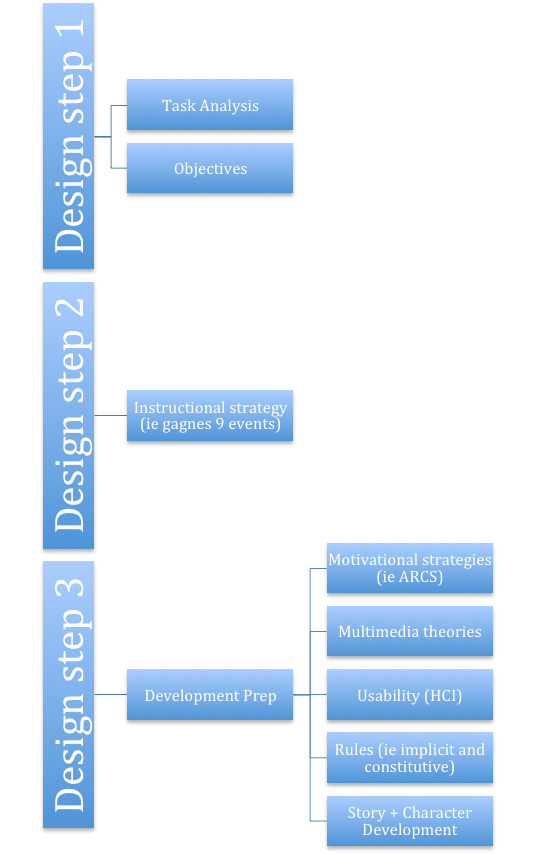
]]>Step 1 –
task analysis – this is the instructional flow of content and can be a concept map (how your objectives will be accomplished). It should really be a visual of your learning objectives and help ensure that all of the content is going to be taught. This is where you will sort through content and figure out the order that it needs to be taught. What learning taxonomy are you using? You need to make sure you are using a learning taxonomy here. This document can be done in unison with your learning objectives.
Objectives – Each piece of content should be a learning objective. Each learning objective should have an assessment item. Each objective should be written in some format that includes the audience, behavior, condition, and degree. Each objective should be able to be seen in your task analysis. You must be using a learning taxonomy here. If you do NOT know what a taxonomy is I suggest using Merrill’s Component Display Theory.
Step 2 –
Instructional strategy – How will this content be taught? What instructional strategy are you using? You need to look at your objectives and task analysis and determine the best instructional strategies. These could include gagnes 9 events, problem base learning, etc. First determine if you solution is direct, indirect or experiential then figure out what strategy fits that methods. This is one of the most important parts of the ISD process. Most generic and bad training does NOT use an instructional strategy.
Step 3 – Development prep. Keep in mind that not all of these apply to all situations so take your case and see what fits (for example CBT will use the multimedia theories whereas instructor led training may not). These are done prior to storyboard development or in the beginning stages of storyboard development when working on a prototype. This step can be done consecutively with prototype development, which is the first stage of development. When developing these I am usually beginning to work on my interface which then gets put into the prototype in the development phase – this will involve the graphic designer and developers.
Motivation – Can you incorporate any motivation theories (ie ARCS model) into this instructional strategy? How?
Multimedia theories – Are we going to use the multimedia theories? This will apply to computer/technology based instruction. If so, which ones?
Usability (HCI) – Where are buttons going to be placed? Do we actually know where they should go or are you just making this up? Make sure someone is well versed on HCI (human computer interaction) before deciding this stuff. How does fitt’s law apply? The golden ratio? Grids? etc. How can I make this user friendly? Are my color choices good? A design document might be developed here to help the developer and other designers. This is really where interface design begins. The instructional designer should understand HCI if they are going to design an interface.
Rules – What are the rules for the user? What are the programming rules? This is why my instructional designer needs to understand programming. I need to be able to let the programmer know what constitutive rules are going to be applied here (this will only apply to CBT type instruction not face to face)
Story and Character Development – This only applies to CBT, certain instructional strategies, gaming, and simulations. Who are my main characters? Do they have an ARC? What is my story? What is the scenery like? What are the graphics like? What are the sounds like?
At this point I move into prototype development. However, I place this in the development phase of ADDIE but it really happens just after design and before development. Many like to put it in the design category and that is fine, assuming its the last step.
For more on this here is an overview of the whole ISD process: https://raypastore.com/wordpress/2014/01/instructional-design-process/
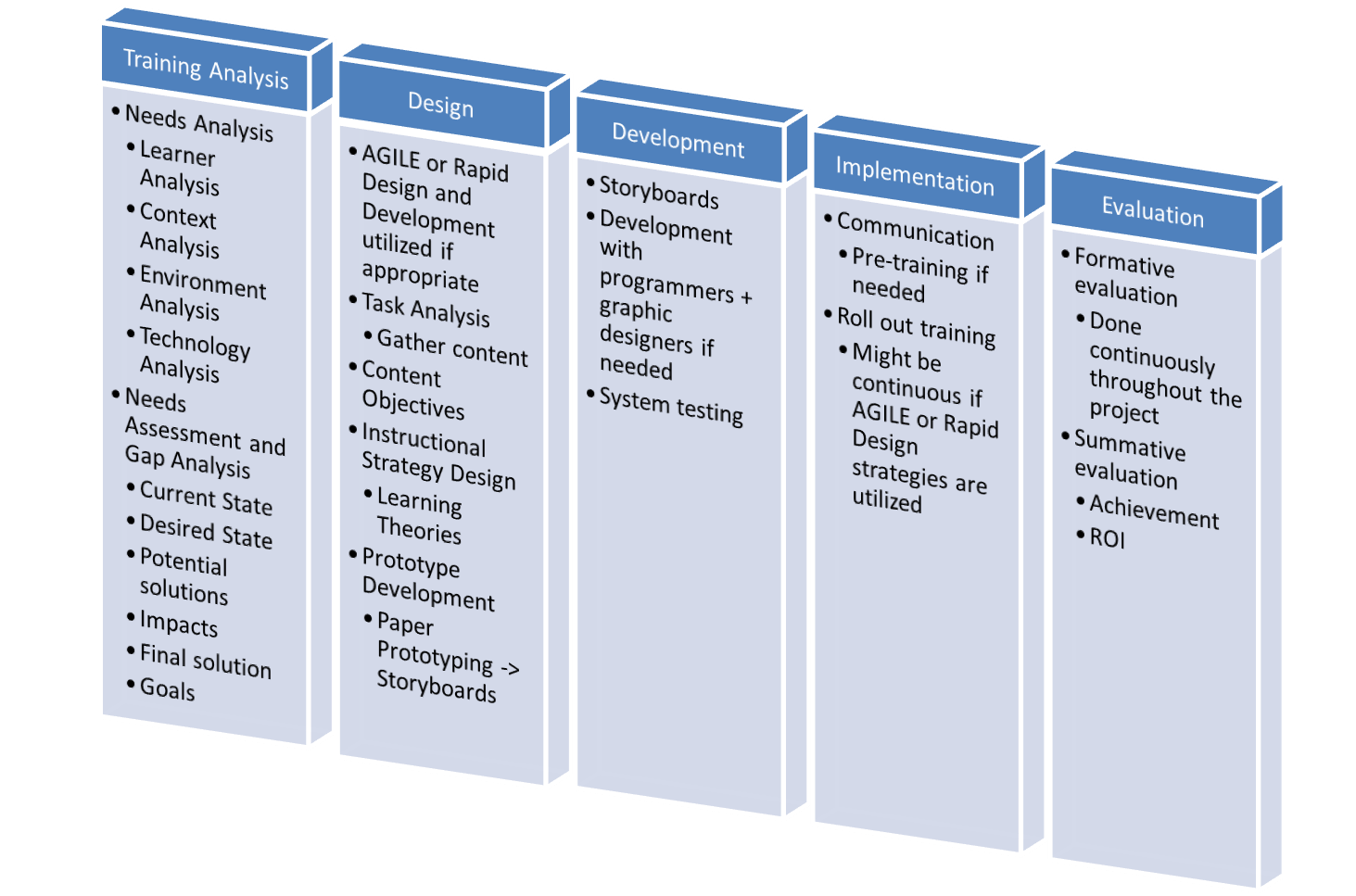
Project charter – This should not be confused with the project charter in the PM process. However this may contain much of the same information. This should contain the problem, project managers, contact info, background to the problem, ROI information, Project goals, budget and schedule summary. This document will be filled in and modified throughout the whole ISD process. It is usually a 1-2 document.
Learner analysis – Who are the learners? What is their level of education? Can they use computers? smart phones? What is their age? Motivations? What are their work conditions like? What is their job like? Do they prefer a certain kind of training or are they used to a certain kind? (remember if they are not used to it then you need to go through a change process which might involve training and communication on the new process) *Note here do NOT look for learning styles as there is much research against them and they do not help with curriculum development. Learning preferences are NOT the same as learning styles.
Context analysis – What kind of conditions will the learners use these new skills? What are those skills? What kind of conditions will these learners be trained in? Computer labs? Classrooms? On the job? Really answers two questions – where/how will they use these new skills and what are the learning environments like?
Technology analysis – What technology is available? What technology are the users used to? Computer labs? Projectors? ipads? etc. This information may be included in the other analysis sections however I really like to break it down and have this section separate so that developers looking at this document do not need to read between the lines to help give input on technology solutions.
Knowledge of performance analysis (*performance analysis should be completed prior to needs analysis in the front end analysis not described here) – Is there anything else we can add to this? Document analysis? Prior project lessons learned? Results from front end analysis such as surveys/observations? All of that can go here. And if there was no front end analysis done (which is why I include this section) then make sure you have data to add here. If a front end analysis (a good thorough one was completed) then this section may be omitted.
Gap analysis – This is the section where we analysis the problem and analysis to come up with a solution.
Current state – What is the current state that needs to fixed?
Desired state – What is the end desired state? What were the companies goals and what are the new ones for this project?
Potential solutions – What are all of the potential solutions? How long will each take/cost?
Impact of those solutions – How will those solution impact the company? Which departments will those solutions impact? Are any department already doing this? What is the ROI for each of those solutions? How much will each cost? How long will each take?
Solution selected – What solution is recommended to the client?
Goals – What are the goals of this project with this solution? Can you classify them using something like Gagnes categories of learning? (this will help with your task analysis). Do learners have the skills required to complete each of these goals?
Here is a high level view of the Instructional Design process to see where analysis fits in: https://raypastore.com/wordpress/2014/01/instructional-design-process/
To see the sections on Design and Development click the links

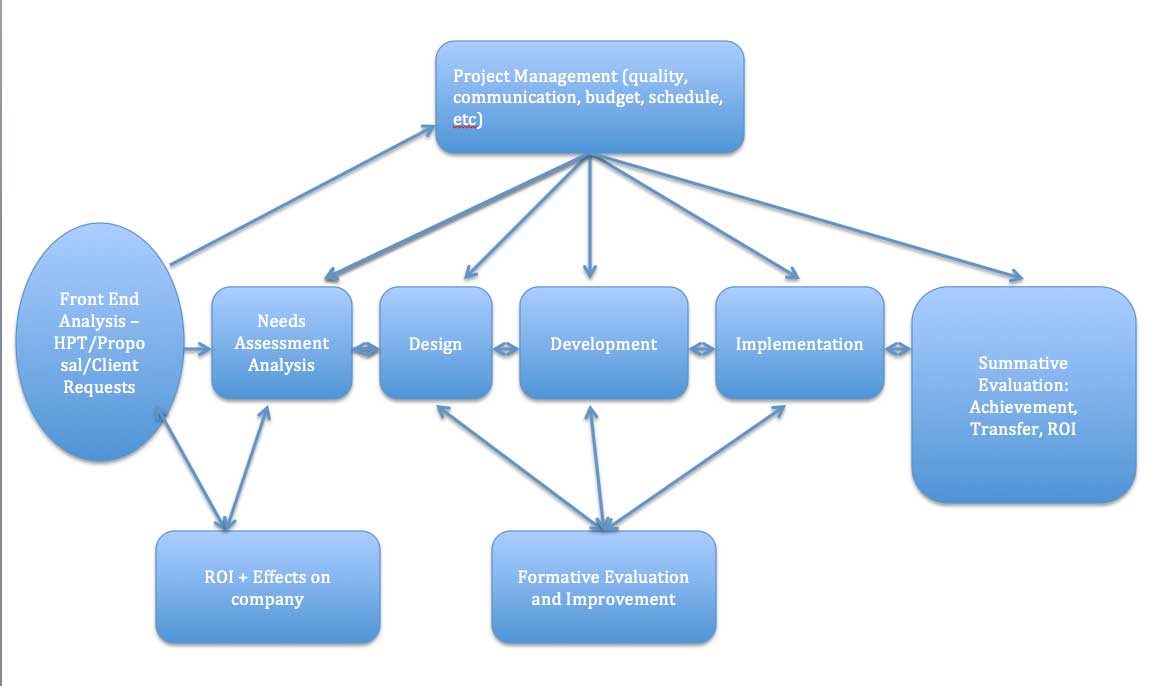
So what are ten reasons to go into this field?
1. Good pay. Starting salaries between 55-70k (depending on location).
2. Average 5 year salary is 75-90k a year. This goes way up if you are in a management role.
3. Chance to move to high ranks in companies. Many instructional designers are promoted to project manager after a few years and can move up into very senior roles from that point on. 4. Can enter with any bachelors degree. Only requirement is a bachelors degree in any field.
5. Great 2nd career. Great for teachers trying to leave teaching to go into the corporate sector. You basically become a teacher for the corporate world.
6. Lots of jobs. Lots of jobs everywhere. Although keep in mind obviously cities have more jobs.
7. Work from home – many jobs in our field are allowing you to work from home when not on client site.
8. Work with technology. You always get to play with the coolest new gadgets
9. Can work in the corporate world, Government, higher education, or K-12. Really any sector.
10. Every company needs instructional designers. Yep its true. Every single company needs training and guess who designs it? Yep, instructional designers.
Sounds to good to be true? Well it is and isn’t. Our job in a lot of work and many instructional designers are hard workers. It requires a masters degree – so we are a smart bunch (and our master’s programs are tough). When we are finishing up a project there can be long hours and our job involves thinking and strategy – so its not a cake walk. However, we also gets nice breaks in between projects, good pay, good bonuses, etc. Overall its a great career for anyone – with the right kind of motivation, cognitive ability, and love for technology.
]]>